University oF Reading Nature Park logo

In June 2026, as part of our centenary celebrations and building on our legacy of outdoor, climate and sustainability education, we launched the University of Reading Nature Park programme. To mark the occasion, we opened the programme's flagship outdoor Learning Garden.

Following a successful pilot project that welcomed almost 1,800 school pupils, the Nature Park programme and Learning Garden demonstrate our commitment to improving climate and nature education for young people.

Inside the Learning Garden

Outdoor learning experiences

The Nature Park breaks down barriers to environmental and outdoor education. Local schools, nurseries and colleges can engage with free nature-based learning experiences across our campuses. Activities primarily take place on our Whiteknights campus, which supports a variety of habitats and is home to over 2,000 species of plants, animals, and fungi.

We are pleased to work with the Natural History Museum and Royal Horticultural Society supporting the National Education Nature Park programme as a pilot Nature Park delivery affiliate.

We help support local education settings to:

  • engage with the national programme
  • connect with nature
  • boost biodiversity on their school, nursery and college sites
  • participate in nature-based learning activities during their visits to our campus.

As part of the Nature Park programme, pupils can visit habitats including the Harris Garden, the Wilderness and meadows. They can also use our dedicated Learning Garden, which offers themed outdoor learning activities. These activities explore local, national, and global climate, biodiversity, and sustainability challenges, while highlighting the pioneering research the University conducts in these fields.

By showcasing ways to enhance biodiversity on school grounds, we hope to inspire young people to take action in their own schools. They can create or improve green spaces for nature and help support their school's climate action plans.

A view inside the Learning Garden

What's in the Learning Garden?

The Learning Garden comprises multiple educational zones:

  • Climate change. Explore drivers and impacts of climate change. Learn what our local flora could look like in future based on increased temperature predictions.
  • Value of nature. Showcases the biodiversity of ecosystems found in Britain and the threats they face.
  • Food production and security. Consider sustainable and unsustainable farming practices and the impacts of climate change and biodiversity loss on food systems.
  • Changing hydrology. Explore the variable water conditions driven by climate change including water cycles and issues such as flooding and drought.
  • Taking action. Designed to demonstrate actions visitors can take within their education or residential settings to increase biodiversity and climate resilience.

The garden also includes basic facilities such as:

  • a large teaching shelter
  • breakout seating spaces
  • a compost toilet
  • a secure, enclosed environment.

Who is the Learning Garden for?

The Learning Garden has been designed for students of all ages.

Access is primarily intended for:

  • visiting groups of school children from Early Years to Further Education
  • University of Reading student and staff groups
  • local community groups.

The garden also provides opportunities for trainee and qualified teachers to confidently lead and teach around climate and sustainability.

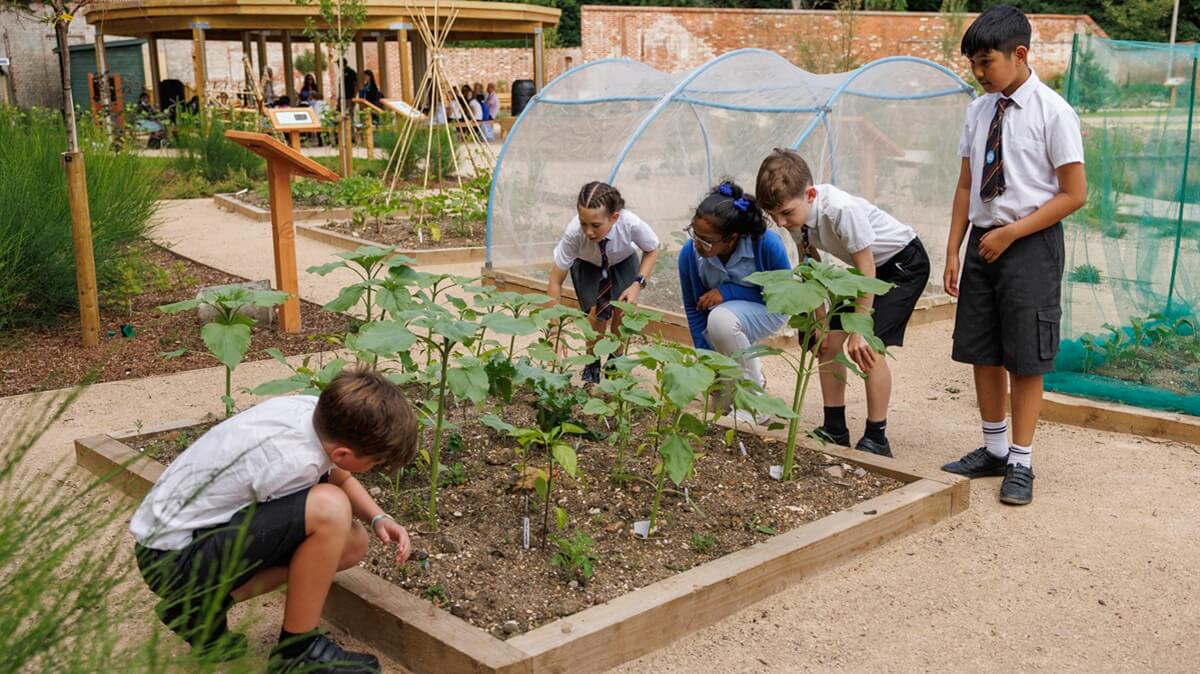
A group of schoolchildren in Learning Garden

Benefits of nature-based learning

Two school boys inspecting a tree

The University of Reading Nature Park and new Learning Garden have been developed to help young people gain a deeper appreciation of our changing natural world.

They will help pupils build a connection to nature through discovery and learning. They will also develop skills they can take back to their school or college. These skills include:

  • data collection
  • species identification
  • habitat management.

Activities can contribute to real scientific research into nature recovery, and boost biodiversity locally and across the country. They will help children learn more about the future of the world locally, nationally and globally.

By participating in the Nature Park, we can collectively improve both the physical and mental wellbeing of young people through spending time outdoors. We will also empower children and students to voice their concerns about the environment and gain the vital skills needed to take action for their future.

History of outdoor education

Eliza Chattaway with schoolchildren, learning outdoors

Pioneering educational change

The University of Reading has been pioneering outdoor education for over 100 years.

Eliza Chattaway taught primary education at the University College of Reading – the precursor to the University of Reading – alongside her work as headteacher in local schools.

Wanting to break away from the classroom and rote textbook learning, Chattaway was inspired by the cycle of nature and the agricultural education at the University College.

Educational benefits of nature

Recognising the educational benefits of time spent outdoors, Eliza Chattaway would take her pupils on nature walks. These included visits to what is now our Whiteknights campus.

In 1912, Chattaway published School Nature Rambles, the story of a year at Redlands Primary School. It documented the nature walks and offered advice on nature lesson planning.

Chattaway’s work laid the foundation for teaching and research at Reading. In our 2026 centenary year, we’re celebrating our legacy as a leading climate, environment and outdoor education institution by growing our outdoor education offering for both students and local school children.

Did you know the University of Reading has another garden to explore?

The Museum of English Rural Life (MERL) can be found on Redlands Road, on our London Road campus. MERL is all about the history of farming, food growing, craft and the countryside.

Its garden provides a peaceful haven, a safe place to play and a base to engage in hands-on and nature-based activity. They offer:

  • regular sessions for under 5s and families
  • programmes for schools
  • opportunities for our local communities to garden, grow and thrive in activities that support physical, creative and green health and wellbeing.