The University of Reading is renowned for its archaeological research: it is ranked 1st in the UK for research quality and research outputs in Archaeology (Times Higher Education Institutions Ranked by Subject, based on its analysis of the latest REF 2021).

A reputation for excellence
We have an excellent track record in attracting funding from research councils, charities, learned bodies, government and industry, and our staff include some of the most influential researchers in the discipline.
Five of our senior academics are Fellows of the British Academy (FBA) – the UK's national body for the humanities and social sciences – which means we have more in-post FBAs than any other archaeology department in the country.
Research impact
Our strength lies in combining scientific techniques with more traditional social approaches to explore the past – and to address modern global challenges.
Our research is transforming how we look at everything from the impact of climate change on societies, to changes in the onset of puberty. We can even use archaeological data to help inform discussions about migration and identity, and issues at the core of current events such as the exodus from Syria.
Our research community
The research community at Reading is a rich mix of academic researchers, research fellows, postdoctoral research assistants and postgraduate research students. Ours is the only archaeology department in England that holds an Athena SWAN silver award, recognising our commitment to gender equality.
Research topics
While supporting individual research, our strategy stresses the investigation of major archaeological topics:
- agricultural development, diet and food supply
- disease, ageing and death
- cultural diversity, identity and material culture
- landscapes of cult and devotion
- human-environment interactions, human responses to climate change.
Our research into diet, health, agriculture, food storage, and palaeoclimate feeds into the University's world-leading research on these topics. The strength of our research enhances the University's four institution-wide research themes.
We are actively pursuing and shaping contemporary research agendas in world archaeology, through internal and external collaborations, an active programme of conferences, and national and international research partnerships.
Research clusters
Our world-class research in archaeology is structured around three research clusters, providing an interdisciplinary environment for engagement within and across themes, projects and regional studies:
- Diet, Health and the Life Course
- Landscape, Climate and Lived Environment
- Objects, Materials and People.
These research clusters focus on advancing social and scientific approaches to past communities and environments, as well as issues of fundamental significance – climate and environmental change, health and diet, social diversity and inclusivity, and cultural heritage.
Our research staff also contribute to the:
Please note. The Centre for Past Climate Change content is housed on the Geography and Environmental Science website.
Research facilities
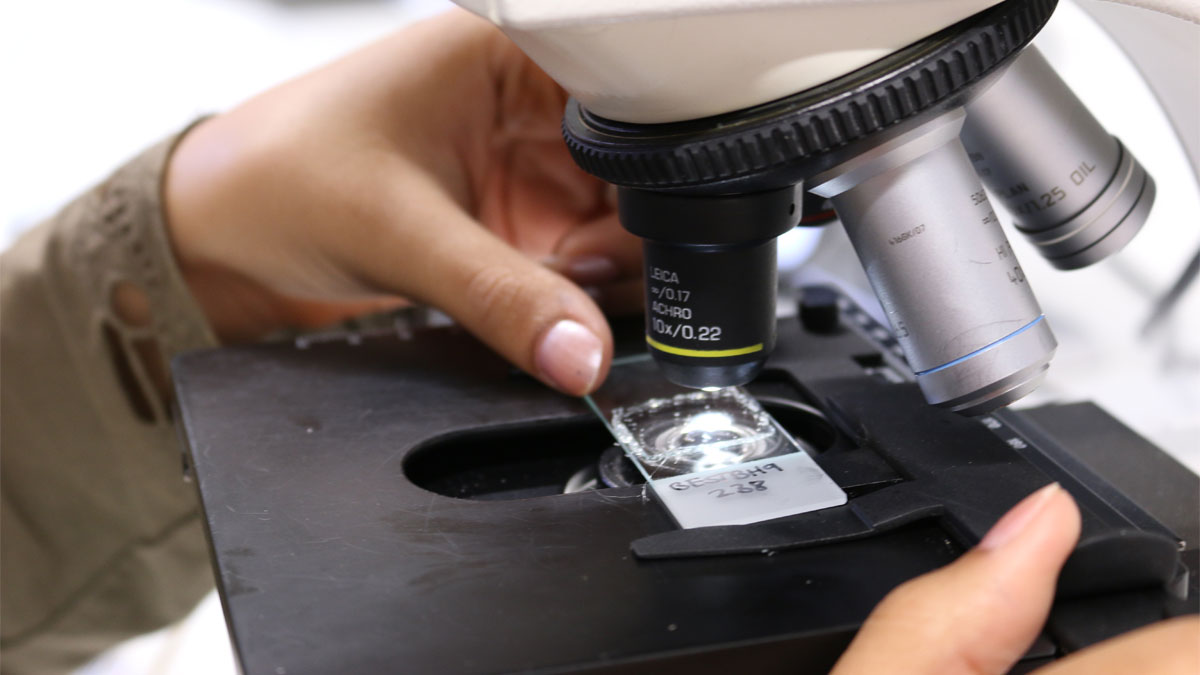
Our research in archaeological science is underpinned by specialist facilities in bioarchaeology, geochemistry, geoarchaeology, archaeobotany and paleoclimatology – all housed in our dedicated archaeology building.
PhD study
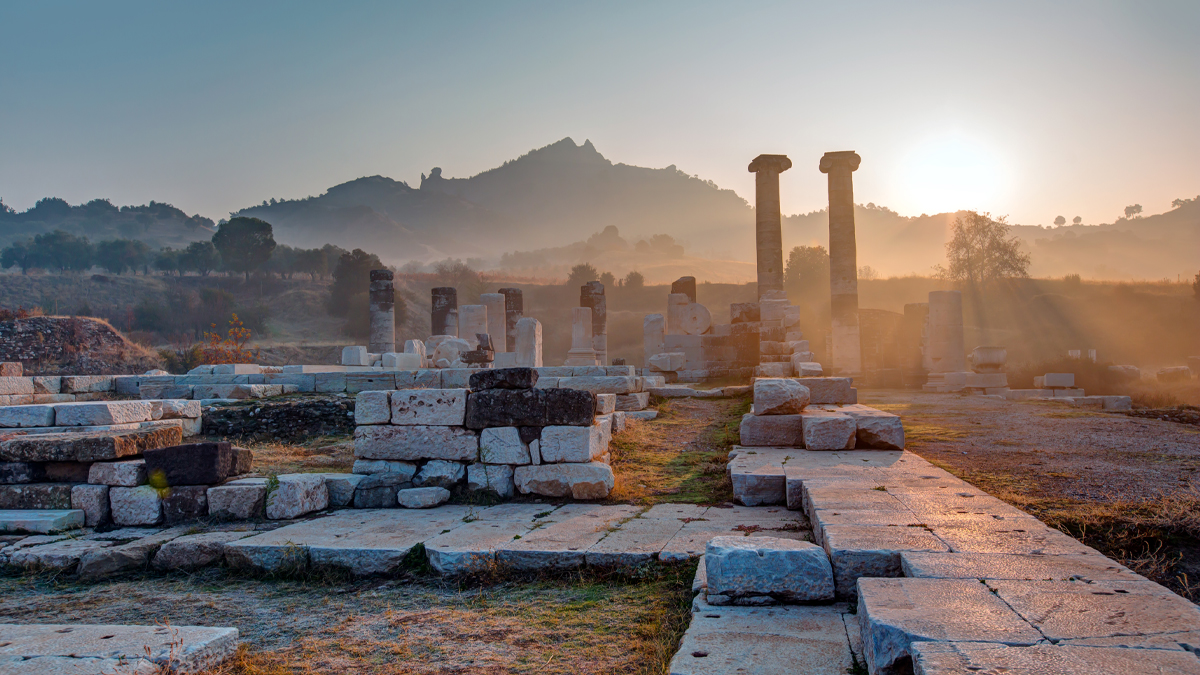
Join a world-class research community, consistently ranked among the top in the UK for archaeology. We provide an interdisciplinary research environment for engagement within and across themes, projects and regions.
Meet the team
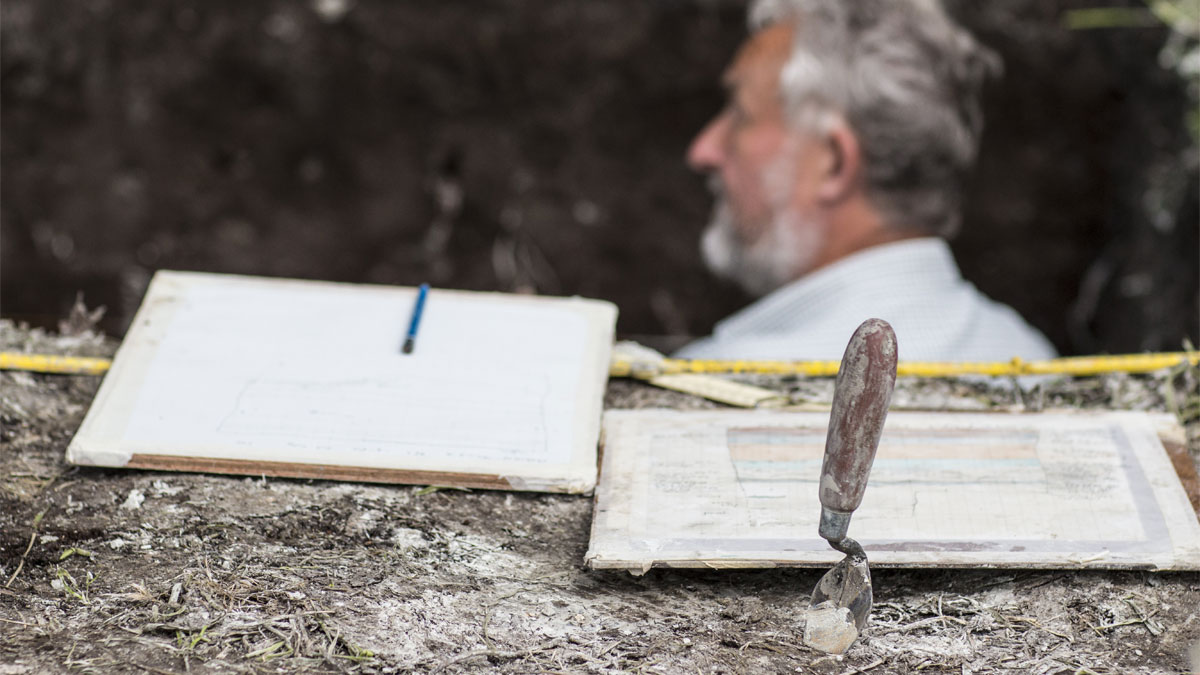
Our academics have a range of expertise in the field of archaeology. They are passionate about sharing their knowledge through teaching, fieldwork and world-renowned research.