TMS Research Group

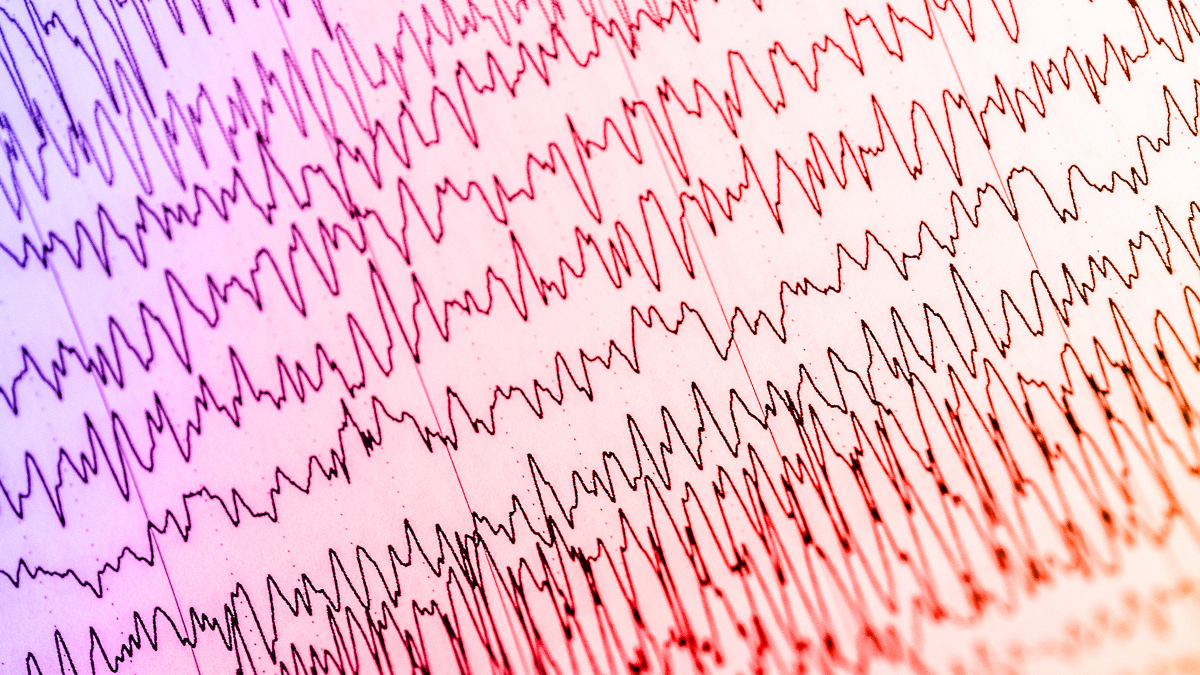
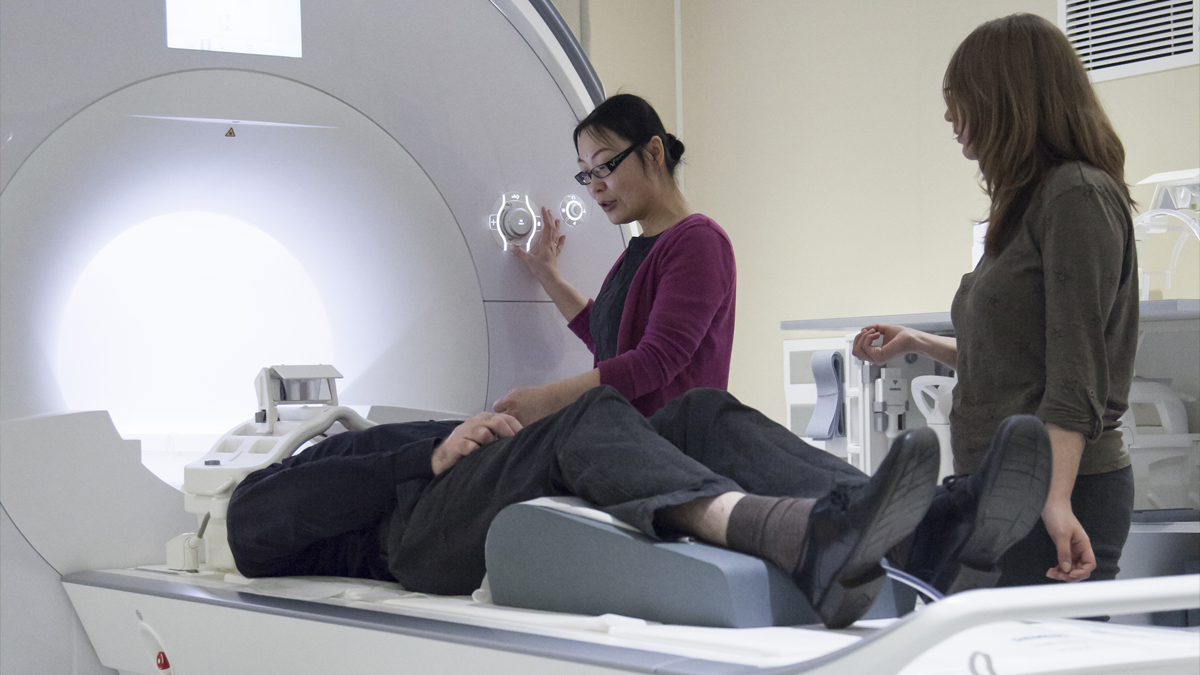
Researchers at the School and CINN use transcranial magnetic stimulation (TMS) to study the function of the brain in perception, action, cognition, language, and emotion regulation. TMS works by applying a short magnetic pulse directly over a small portion of the brain, inducing weak electrical currents in the nerve cells underneath, and interfering - temporarily! - with their function. TMS is a powerful research technique when used alone, but here in CINN we are also using TMS in conjunction with electroencephalography (EEG), and functional magnetic resonance imaging (fMRI). This puts CINN and the University of Reading at the forefront of human neuroscience research and makes us one of a very small number of research institutes with this technological capability.

For more details about our research with TMS, please see the personal pages of our research team.

- Our recent publications

Academic staff

Eva Feredoes
Lecturer. Office: 1S15; Tel: 5011; Email: e.a.feredoes@reading.ac.uk
Nicholas Holmes
Lecturer. Office: 1S18; Tel: 5543; Email: n.p.holmes@reading.ac.uk
Nicholas Holmes uses TMS to study the brain's role in hand perception and hand actions. TMS is used both to measure and to interfere with the sensory and motor processes that occur during every day behaviours such as touching and grasping objects.
Tom Johnstone
Reader. Office: 1S25; Tel: 7530; Email: i.t.johnstone@reading.ac.uk
Lotte Meteyard
Lecturer. Office: G72; Tel: 8142; Email: l.meteyard@reading.ac.uk
Lotte Meteyard is using TMS to explore language processing, particularly semantic representation.

Things to do now

Psychology Building

Contact us:

Find us on Facebook  Follow us on Twitter  University of Reading's Channel

Page navigation


Search Form

A-Z lists