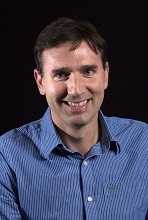
Staff Profile:Dr. Jeremy P E Spencer
- Name:
- Dr Jeremy Spencer
- Job Title:
- Reader
- Responsibilities:
-
Leader the Food Chain and Health sub-theme "Plant Bioactives and Health":
Member of the Neuroscience at Reading Steering Committee
Member of the Quality Assurance in Research team
Seminar coordinator for the Nutrition Research Group
- Areas of Interest:
-
General outline of research interests:My research is focused on investigating the molecular mechanisms that underlie the accumulating body of epidemiological, and medical anthropological evidence, on a positive correlation between the consumption of diets rich in fruits and vegetables and a decreased risk of neurodegenerative disorders. In this context my research interests centre on two aspects: 1) the elucidation of cellular mechanisms involved in neurodegeneration; and 2) the bioactive properties of phytochemicals, in particular flavonoids, which may underlie their putative beneficial effects against neurodegenerative processes. This work has led to detailed knowledge regarding potential mechanisms of action of flavonoids based on their modulation of intracellular signalling pathways.The overall aim of the work is the development of dietary or therapeutic strategies to delay the onset of, or combat degenerative disorders, in particular those associated with the central nervous system.
Specific research interests:
Effects of flavonoids of memory, learning and neuro-cognitive performance
The role that diet plays in the prevention of human brain ageing and the enhancement of a range of cognitive abilities (e.g. LTP, memory and learning). The mechanism of flavonoid action by: 1) protecting vulnerable neurons, 2) enhancing existing neuronal function, 3) stimulating neuronal regeneration, or 4) triggering the neurogenesis and angiogenesis.
Cellular and molecular actions of dietary polyphenolics:
The biological effects of flavonoids and their metabolites are investigated in cellular models of neurodegeneration. These investigations indicate that flavonoids exert their mechanism of action at a number of levels: 1) by influencing the cellular redox status, 2) by interacting with mitochondria, and 3) by modulating signaling pathways pivotal in neuronal survival, in particular the MAP kinase and PI3 kinase/Akt signaling cascades.
Neurodegeneration and Neuroinflammation:
The influence catecholamines, such as dopamine, L-DOPA and neuroinflammatory states on the neuronal redox state and viability of neurons.Neurotoxic mechanisms triggered by activated glial and endogenous neurotoxins such as thiol-catecholamine conjugates are investigated with relevance to the pathology of Parkinson's and Alzheimer's disease.Protection against inflammatory processes and endogenous neurotoxins by dietary polyphenols.
Absorption and metabolism of dietary polyphenols
These studies have established new insights into the biotransformation and pharmacology of flavonoids and have identified major in vivo metabolites with potential cellular activities. Modulation of the large intestinal microflora by dietary polyphenols - Research groups / Centres:
- Publications:
-
¨Invited Refereed Review Articles
- SPENCER J.P.E. (2008). Food for thought. The impact of dietary flavonoids on memory, learning and neuro-cognitive performance. Proceed. Nutr. Soc. In press.
- SPENCER J.P.E. (2008). Flavonoids as modulators of brain ageing. Brit. J. Nutr. In press.
- SPENCER J.P.E. (2007). The Interactions of Flavonoids within Neuronal Signalling Pathways. Genes and Nutrition. doi:10.1007/s12263-007-0056-z
- SPENCER, J.P.E., Abd El Mohsen, M.M., Minihane, A.M. and Mathers, J. C. (2007). Biomarkers of the intake of dietary polyphenols: strengths, limitations and application in nutrition research. Brit. J. Nutr. doi:10.1017/S0007114507798938
- Vafeiadou, K., Vauzour, D. and SPENCER J.P.E. (2007). Neuroinflammation and its modulation by flavonoids. Endocr Metab Immune Disord Drug Targets 7, 211-24
- SPENCER, J.P.E., Abd El Mohsen, M.M. and Minihane, A.M. (2006). Metabolism of dietary phytochemicals: a review of the metabolic forms identified in humans. Curr. Top. Nutraceutical. Res. 4, 187-203.
- SPENCER, J.P.E. (2003).Gastrointestinal metabolism of tea flavanols.Relevance to in vivo bioactive forms.J. Nutr. 133, 3255S-3261S.
Papers in Peer-Reviewed Journals (Since 2005)
1.Tzounis, X., Vulevic, J., Kuhnle, G.G.C., George, T., Gibson, G.R., Kwik-Uribe, C. and SPENCER J.P.E. (2007). Flavanol monomer-induced changes in the human faecal microflora. Brit. J. Nutr. doi:10.1017/S0007114507853384
2.Vauzour, D., Vafeiadou, K., Rice-Evans, C., Cadenas, E., and SPENCER J.P.E. (2007). The modulation of ATM, p53 and chk1 signalling by the genistein metabolite 5,7,3',4'-tetrahydroxyisoflavone. Arch. Biochem. Biophys. doi:10.1016/j.abb.2007.09.021
3.Vauzour, D., Vafeiadou, K., Rice-Evans, C., Williams, R.J. and SPENCER J.P.E. (2007).Activation of pro-survival Akt and ERK1/2 signaling pathways underlie the anti-apoptotic effects of flavanones in cortical neurons. J. Neurochem. 103, 1355-1367.
4.Corona, G., Deiana, M., Incani, A., Vauzour, D., Assunta Dessì, M. and SPENCER J.P.E. (2007) Olive oil polyphenols decrease COX-2 expression in Caco2 cells through modulation of p38/CREB signalling. Biochem. Biophys. Res. Commun. 362, 606-611.
5.Vauzour, D., Vafeiadou K., SPENCER J.P.E. (2007). Inhibition of the formation of the neurotoxin 5-S-cysteinyl-dopamine by polyphenols. Biochem. Biophys. Res Commun. 362, 340-346.
6.Vauzour, D., Vafeiadou, K., Corona, G., Pollard, S.E., Tzounis, X. and SPENCER J.P.E. (2007). Champagne wine polyphenols protect primary cortical neurons against peroxynitrite-induced injury. J. Agric. Food Chem. 55, 2854-2860.
7.Angeloni, C., SPENCER, J.P.E., Leoncini E., Biagi P.L. and Hrelia S. (2007). Role of quercetin and its in vivo metabolites in protecting H9C2 cells against oxidative stress. Biochemie 89, 73-82.
8.Schroeter H., Bahia, P., SPENCER, J.P.E., Sheppard, O., Rattray, M., Cadenas, E., Rice-Evans, C. and Williams, R.J. (2007). (-)-Epicatechin stimulates ERK-dependent cyclic AMP response element activity and upregulates GLUR2 in cortical neurons. J. Neurochem., 101, 1596-1606.
9.Whiteman, M., Hwa Chu, S., Siau, J.L., Rose, P., Sabapathy, K., Schantz, J-T, Cheung, N.S., SPENCER, J.P.E., Armstrong, J.S. (2007). The pro-inflammatory oxidant hypochlorous acid induces Bax-dependent mitochondrial permeabilisation and cell death through AIF- / EndoG-dependent pathways. Cellular Signalling. 19, 705-714.
10.Pollard, S., Kuhnle, G.G.C., Vauzour, D., Vafeidou, K., Tzounis, X., Whiteman, M., Rice-Evans, C. and SPENCER, J.P.E. (2006). The reaction of flavonoid metabolites with peroxynitrite. Biochem. Biophys. Res. Commun. 350, 960-968.
11.Nguyen, D.T., Hernandez-Montes, E., Vauzour, D. Schönthal, A.H. Rice-Evans, C., Cadenas E. and SPENCER, J.P.E. (2006).The intracellular genistein metabolite 5,7,3¢,4¢-tetrahydroxyisoflavone mediates G2-M cell cycle arrest in cancer cells via modulation of the p38 signaling pathway.Free Radic. Biol. Med. 41, 1225-1239.
12.Pollard, S.E., Whiteman, M. and SPENCER, J.P.E. (2006).Modulation of peroxynitrite-induced fibroblast injury by hesperetin: A role for intracellular scavenging and modulation of ERK signalling. Biochem. Biophys. Res. Commun. 347, 916-923.
13.Hernandez-Montes, E., Pollard, S.E., Jofre-Montseny, L., Rota, C., Rimbach, G., Weinberg, P.D. and SPENCER, J.P.E. (2006).Activation of glutathione peroxidase via Nrf1 mediates genistein's protection against oxidative endothelial cell injury Biochem. Biophys. Res. Commun. 346, 851-859.
14.Abd El Mohsen, M.M., Bayle, H., Kuhnle, G., Gibson, G., Debnam, E.S., Srai, S.K., Rice-Evans, C. and SPENCER, J.P.E. (2006). Distribution of [3H]-resveratrol in rat tissues following oral administration. Brit. J. Nutr. 96, 62-70.
15.Whiteman, M., SPENCER, J.P.E., Zhu, Y.Z. and Armstrong, J.S. (2006). Peroxynitrite-modified collagen-II induces p38 / ERK and NF-kB-dependent synthesis of prostaglandin E2 and nitric oxide in chondrogenically differentiated mesenchymal progenitor cells. Osteoarthritis and Cartilage. 14, 460-470.
16.Corona, G., Tzounis, X., Assunta Dessi, M., Deiana, M., Debnam, E.S., Visioli, F. and SPENCER, J.P.E. (2006). The fate of olive oil polyphenols in the gastrointestinal tract: implications of gastric and colonic microflora-dependent biotransformation. Free Radic. Res. 40, 647-658.
17.Lee, S., Munerol, B., Pollard, S., Youdim, K.A., Pannala, A.S., Kuhnle, G.G.C., Debnam, E.S., Rice-Evans, C. and SPENCER, J.P.E. (2006). The reaction of flavanols with nitrous acid protects against N-nitrosamine formation and leads to the formation of nitroso-derivatives, which inhibit cancer cell growth. Free Radic. Biol. Med. 40, 323-334.
18.Abd El Mohsen, M.M., Marks, J., Kuhnle, G., Moore, K., Debnam, E.S., Srai, S.K., Rice-Evans, C. and SPENCER, J.P.E. (2006). Absorption, tissue distribution and excretion of pelargonidin and its metabolites following oral administration to rats. Brit. J. Nutr. 94, 1-9.
19.Abd El Mohsen, M.M., Iravani, M.M., SPENCER, J.P.E., Rose, S., Fahim, A.T., Motawi, T.M.K., Ismail, N.A.F. and Jenner, P. (2005). Age-associated changes in protein oxidation and proteasome activities in rat brain: Modulation by antioxidants. Biochem Biophys Res Commun. 336, 386-391
20.SPENCER, J.P.E., Kuhnle, G., Hajirezaei, M., Mock, H-P, Sonnewald, U. and Rice-Evans, C. (2005). The genotypic variation of the antioxidant potential of different tomato varieties. Free Radic. Res. 39, 1005-1016.
- Qualifications:
- 2007: Postgraduate Certificate in Academic Practice (Merit)
1997: PhD Medical Biochemistry/Pharmacology, King’s College London
1993: BSc (Hons) First class Biochemistry, University of Warwick
Research awards
Principal Investigator on a Biotechnology and Biological Sciences Research Council grant (BB/F008953/1): Enhancement of learning and memory by flavonoids: £485,357
Co-Investigator on a Biotechnology and Biological Sciences Research Council grant (BBSRC 45/D15524): Apolipoprotein E genotype and macrophage inflammatory status: Impact of antioxidant/anti-inflammatory dietary components: £252,407
Co-Investigator on a Food Standards Agency: Impact of increasing doses of flavonoid-rich and flavonoid-poor fruit and vegetables on cardiovascular risk factors in an 'at risk' group (URFAVS): £685,000
Principal Investigator on a Medical Research Council grant (G0400278): The modulation of catecholamine-thiol adduct induced neuronal injury by flavonoids and their metabolites: £237,797
Principal Investigator on a Biotechnology and Biological Sciences Research Council grant (D14751): The modulation of neuroinflammation by flavonoids and their metabolites: £229,722
Co-Investigator on a Biotechnology and Biological Sciences Research Council grant (D20463): Cytoprotective effects of dietary flavonoids and their metabolites through modulation of signalling and gene expression: £236,371
Principal Investigator on a Biotechnology and Biological Sciences Research Council grant (45/D15524): The molecular mechanisms of action of isoflavones on glutathione induction in human cultured cells and in vivo: £151, 448
Masterfoods, USA.Analysis of the flavanol content of foods and characterization of beneficial health properties of flavanol-rich cocoa£401,000
Le Comite Interprofessional du Vin Champagne (CIVC), France.Health effects of Champagne wine polyphenols Euro 82,000
Oher information
Fellow of the Higher Education Authority (FHEA)
Elected Member of the Institute of Biology (CBiol MIBiol)
Member of the Nutrition Society
Member of the International Society for Free Radical Research
Member of the Biochemical Society