

Research

DTICINN was established by the University of Reading in order to promote and expand its strength in Neurosciences by building on the excellence of its research in life sciences, systems biology, brain imaging, cybernetics, mathematics, psychology and clinical language sciences.Research at CINN focuses on the physiological and psychological mechanisms underpinning complex cognitive behaviours, targeting typical and atypical development and decline in individuals. There is also a strong research group working on issues in signal analysis and computational modelling. Our research activities include the following areas.


Cellular and Molecular Neuroscience

We are actively engaged in the study of fundamental cellular and molecular mechanisms underlying central nervous system (CNS) function in health and disease, identifying therapeutic targets for the treatment of major CNS diseases, and leading in vitro and in vivo proof-of-concept studies to test therapeutic potential. One of our primary research interests is neurodegenerationand neuroprotection, with a focus on the properties and functions of CNS transporterproteins in neurodegenerative disorders and the role of co-ordinated gene expression in astrocytesin neuroprotection. Another very active area of research lies in investigating the neuronal processes that underlie neuronal hyperexcitabilitystates and their consequential disorders (e.g. epilepsy, ataxia and neuropathicpain). In addition to these specific therapeutic foci, we also include a complementary group that works on novel nanomaterial-based tissue engineering and drug delivery methods.


Diet, Ageing and Cognition

In the UK two issues stand out as challenges for social policy; the effects of ageing, particularly the impact of age on cognitive abilities, and the effects of diet and the health risks associated with poor diets, including obesity. These two challenges are closely linked. Cognitive abilities change over the life span and this dynamic process is linked to the neural processes that contribute to the regulation of appetite, body weight and reward. It is essential that we understand the range, nature and impact of these changes both in the individual and in society. Diet, Ageing and Cognition are each big topics in and of themselves, and the University of Reading has active and well-established research groups in each of these areas.CINN serves to enhance the communication between these groups and to foster interdisciplinary linkages. Research into how nutrition impacts on brain structure and function is an area in which the University is particularly strong. Investigations in this area range from how specific nutrients in our diet influence memory, vision and reasoning, to how neural mechanisms contribute to dietary choices.


Imaging Technologies

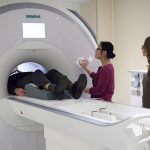
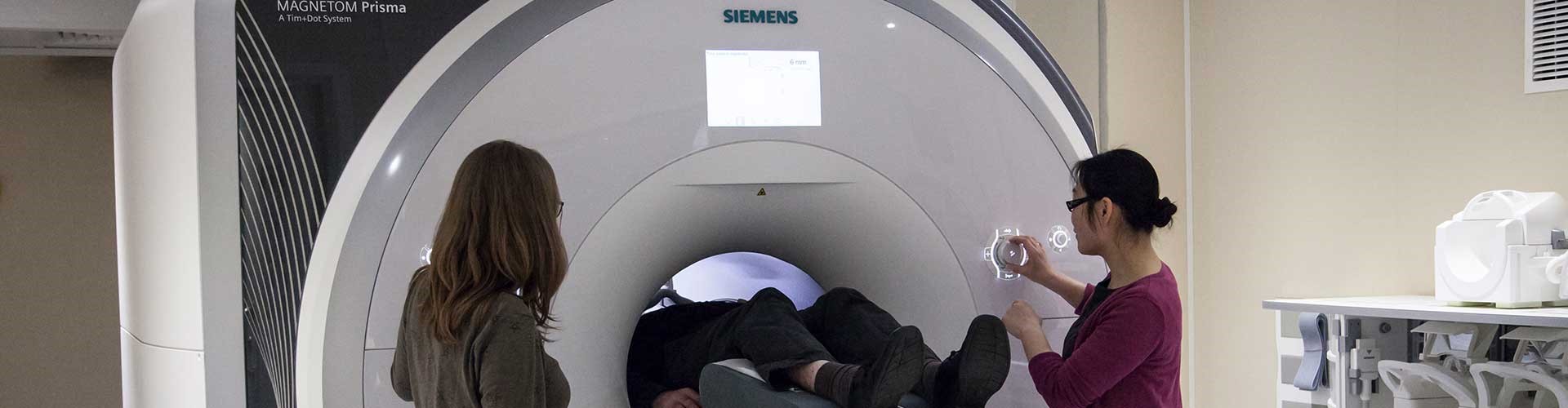
CINN hosts a suite of brain imaging technologies supported by a dedicated analysis facility and highly trained support staff. CINN equipment includes a Siemens 3 Tesla whole body scanner (with a wide range of specialist coils and image acquisition capabilities includingcardiac, perfusion, fMRI, DTI, angiography and MRS), an MR compatible Transcranial Magnetic Stimulation system, MR compatible EEG/ERP suite (up to 128 channels), a Physiology Acquisition suite, a fully RF shielded laboratory, Near Infra-Red Spectroscopy, a computational analysis laboratory running a high speed cluster and a multi gpu vector machine. The imaging technologies can be used independently or in combination, thereby providing the possibility of collecting simultaneous data across a wide range of spatial and temporal scales.


Neurodynamics

The Centre for Integrative Neuroscience and Neurodynamics (CINN) is particularly strong in computational neuroscience and mathematical modelling. One of the fundamental underpinnings of CINN is the Cognitive Systems Science group, a research group involving cognitive neuroscience, linguistics, engineering, mathematics and physics, which is supported by a Bridging the Gaps grant from the EPSRC. This group is currently running a wide array of research projects large and small, ranging from developing a neural field computational model of the brain incorporating the heamodynamic response, developing new methods to track and model synchronous oscillations in the brain, to investigating computational models of language and language learning. We also run an annual summer school in cognitive neurodynamics, and host a range of international events and conferences, which this year will include a conference on neural fields theory and a conference on neuroscience in business.


Perception and Action

Without action, perception would serve no purpose. Perceptual processing of the world is shaped by the needs of action. The technologies available in CINN are currently used to study the neural processes underlying two common paradigms used in research linking perception and action -the timing of interceptive actions using visual information, and the visual control of locomotor direction and speed (steering). The action shapes perception hypothesis predicts that when our actions are accurate and successful this will change perceptual representations compared to when they are less successful. This hypothesis is opposed to the traditional perception approach, in which perceptions are thought to be a more or less accurate reflection of the world detected by our sensory systems. Recent research has supported the action shapes perception hypothesis -for example, a baseball appears larger when you are successful at hitting it. Using the MRI and EEG facilities in the CINN, we aim to directly observe action induced changes in brain areas that support perceptual experience.


Psychopathology and Affective Neuroscience

The prevalence of affective disorders such as anxiety disorders and depression, and the mental wellbeing of an ageing population are two leading health concerns in the developed world. Interdisciplinary research at the Centre is addressing both of these topics, with a particular interest in how individuals differ in their cognitive and emotional resilience when faced with different types of stress throughout life. Using brain-imaging technologies such as MRI and electroencephalography, combined with behavioural and psychophysiologicalmeasures, we are seeking to understand the neural circuits that support cognition and emotion across the lifespan in healthy individuals and in those with mood disorders. This is complemented by research on emotion understanding in the general population, and in clinical groups marked by lifelong deficits in emotion understanding, such as autism spectrum conditions. This research effort reflects the integrative mission of CINN, with the goal of developing mechanistic insights into the brain and emotion, while providing scientifically developed strategies and treatments to maintain cognitive and emotional wellbeing throughout life.


Typical and Atypical Language

In our increasingly multi-cultural world, understanding the nature of language, how it is acquired, how it is used and how it breaks down becomes ever more important. Language related research at the University of Reading covers a wide range of topics with researchers in Psychology, Clinical Language Science, Applied Linguistics and Education. Areas of expertise include monolingual and multilingual language acquisition and processing, and acquired language impairments subsequent to stroke, trauma and degenerative disease such as Alzheimer's disease, Parkinson's disease and Huntington's disease. Developmental language disorders linked to neurogenicconditions like William's and Down's Syndromes are also covered. In addition, the department of Clinical Language Sciences works closely with local trusts providing clinical training and hosting an NHS paediatric clinic. CINN provides a range of brain imaging technologies that foster new research approaches and promotes integration across this broad research domain and helps to link research results to clinical practice and training.

Things to do now

Contact us


Page navigation


Search Form

A-Z lists